
MenuContact Us
Interior architecture is a professional design discipline that goes beyond simply arranging interior spaces in an aesthetic manner; it integrates user experience, spatial efficiency, and functional organization.
This field aims to create human-scaled, comfortable, and meaningful living environments within the architectural shell of a building, while also considering light, materials, color, texture, and volume as a unified system.
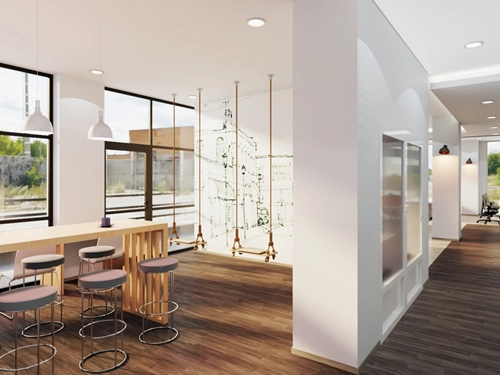
Moving beyond purely decorative interventions, interior architecture analyzes spatial usage scenarios and shapes design decisions through a data-driven approach. Technical parameters such as ergonomics, acoustic comfort, circulation planning, and spatial hierarchy are evaluated alongside aesthetic considerations. As a result, spaces are created that are not only visually strong but also functionally optimized.
Interior architecture produces tailored solutions across various scales, including residential, office, commercial, and public spaces. During the design process, spatial potential is analyzed, volumetric organization is restructured, and material selections are made in accordance with usage intensity.
Thus, interior architecture becomes an interdisciplinary design approach that strengthens the relationship between people and space, improves quality of life, and enhances the experiential value of environments.
Architects are professionals responsible for designing the entire system of a building. They define the building’s massing, façade character, structural layout, spatial organization, and its relationship with the surrounding environment.
In the design process, not only aesthetics but also regulations, structural systems, functional layouts, and building safety criteria play a decisive role. The architect develops the project from the conceptual stage through to construction, shaping the overall identity of the building.
Interior architects, on the other hand, specialize in shaping the interior environments of buildings and the user experience within them. How a space feels, how it is used, and how it influences human behavior are the core concerns of interior design. Elements such as ergonomics, lighting design, material selection, color harmony, and furniture layout are carefully addressed. The goal is to create more livable, functional, and aesthetically refined interior environments within the architectural shell.
To become an interior architect, one must graduate from a department of Interior Architecture or Interior Architecture and Environmental Design at a faculty of engineering or architecture. The duration of the undergraduate program is typically four years.
Collaborating with an interior architecture office is beneficial for creating spaces that are not only beautiful but also functional, compliant with regulations, and tailored to your specific needs and preferences.
Functionality is prioritized in design. The goal is for an item or object to have multiple uses and to simplify various aspects of life. Interior architects ensure that every detail serves a function, resulting in more usable spaces.
They can make a significant difference in utilizing your time and budget effectively.
Due to their expertise, they can add substantial value to your project by considering your tastes and preferences, using the right materials at the right time to achieve successful outcomes.
They can recommend materials that are not only visually appealing but also durable, sustainable, and suitable for the intended use of the space.
A well-designed and carefully planned interior can increase the resale value of your property. It’s important to note that potential buyers or renters are often influenced by aesthetically pleasing, functional, and well-maintained spaces.
For commercial spaces, an interior architect can help create an environment that aligns with your brand identity, enhance your image, and improve the overall customer or employee experience.
Mavi Peri Architecture, an interior architecture office in Ankara, aims to provide the best solutions to bring aesthetics and functionality to your living and working spaces with its specialized team. We design each of our projects specifically to our clients’ needs and expectations, prioritizing comfort, elegance, and ease of use.
Interior architects typically use various tools and skills to visually communicate design ideas. Drawing is an essential aspect of the design process, and interior architects employ different drawing techniques to convey their concepts to clients, contractors, and other stakeholders.
Architectural elevations refer to the drawings that illustrate the exterior appearance of a building.
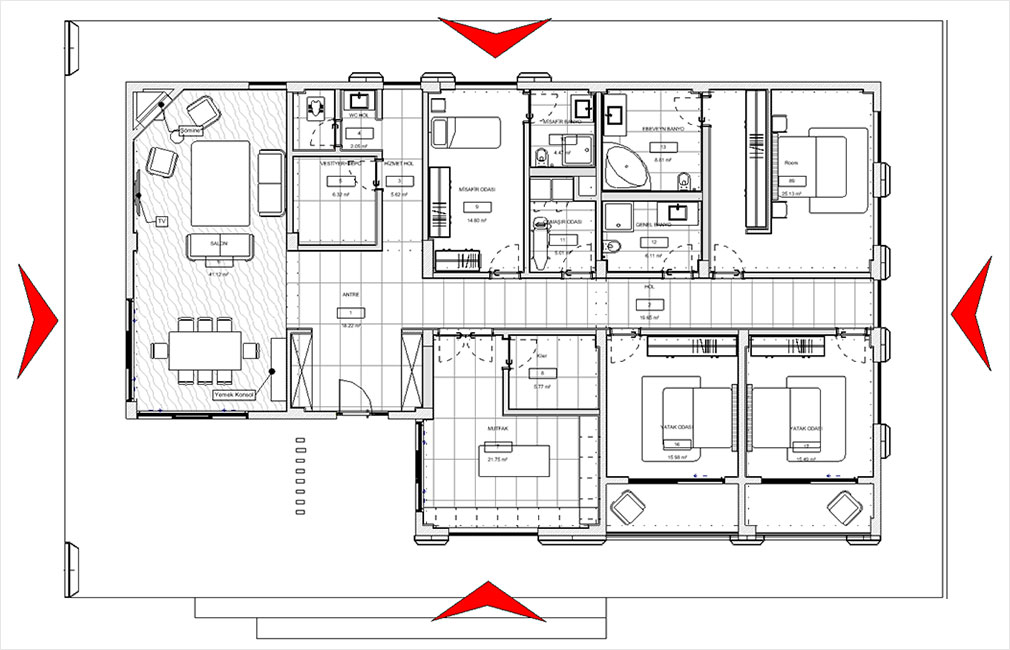
The subject of interior architecture, elevations refer to the drawings that depict the appearances of a room.
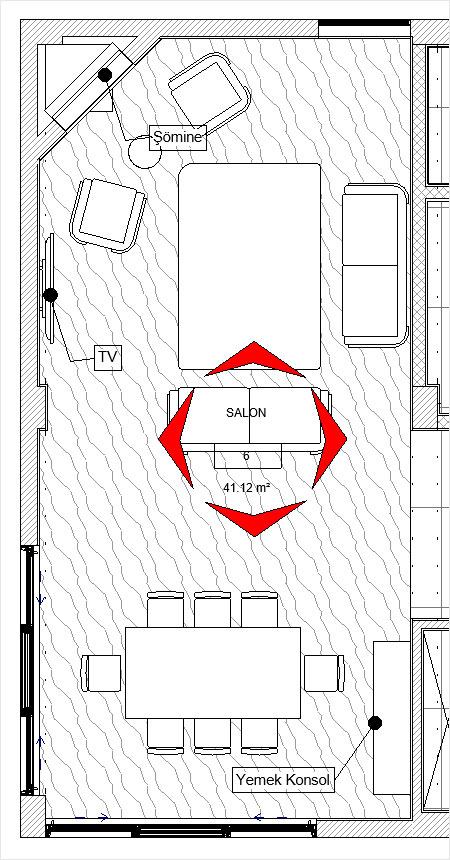
Rendering: Renderings are often computer-generated, realistic images that provide a detailed visualization of the final design. They can include textures, lighting, and colors to provide a realistic representation of the proposed space.
3D Models: Interior architects can use computer-aided design (CAD) software to create 3D models of their designs. These models can be rotated and viewed from different angles, allowing for a comprehensive understanding of the space.
Moodboard: Although not traditional drawings, mood boards are visual collages that combine images, textures, colors, and materials to convey the overall aesthetic and mood of the design. They help clients grasp the designer's vision as a whole.
Material and Finish Boards: These boards focus specifically on materials and finishes. They consist of samples of fabrics, flooring, paint colors, and other materials proposed for the project.
The choice of drawing method depends on the stage of the design process and the target audience for the drawings. Interior designers often use a combination of these techniques to effectively communicate their ideas and bring their designs to life.
Predicting the future of interior architecture is challenging due to various factors such as technological advancements, cultural shifts, and design trends. However, experts and designers foresee several trends and possibilities that could shape the future of interior architecture:
Sustainable Design: As environmental concerns continue to grow, sustainable and eco-friendly interior design is becoming increasingly important. Future interiors may incorporate recycled materials or those with low environmental impact. Energy-efficient technologies and designs that reduce waste and promote recycling are likely to become more common.
Smart Homes: With rapid advancements in technology, smart homes are expected to play a significant role in interior design. The integration of smart devices, home automation systems, and the Internet of Things (IoT) is likely to become standard features. Designers will need to consider how to seamlessly incorporate technology into their designs to provide both functionality and aesthetics.
Flexible Spaces: As the way we use interiors evolves, flexibility may be prioritized in future interior designs. Spaces that can easily adapt to different functions and user needs, such as modular furniture and movable partitions, are likely to become more prevalent. This trend is particularly connected to changing work arrangements and the increasing popularity of remote work.
Biophilic Design: Biophilic design principles, which involve incorporating natural materials, natural ventilation, natural lighting, and nature-inspired shapes and forms into modern built environments, are expected to gain popularity. Future interiors may include more natural elements, such as green walls, indoor gardens, and ample natural light, to enhance well-being and create healthier living and working environments.
Integration of Virtual and Augmented Reality: Virtual and augmented reality technologies can be integrated into interior design processes. Designers can use these tools to visualize and test their ideas in a virtual space before physically implementing them. Additionally, VR and AR can enhance the user experience in designed spaces.
Cultural Diversity and Inclusivity: Interior architecture is likely to become more inclusive, reflecting a broader range of cultural influences and perspectives. As societies become more interconnected, designs that consider different cultural aesthetics and preferences will gain importance.
Artificial Intelligence in Design: AI tools can play a role in the design process, assisting designers in generating ideas, analyzing user preferences, and optimizing spatial arrangements. AI can also be utilized to improve energy efficiency and sustainability in interiors.
It’s important to note that these are speculative trends, and the true future of interior architecture will depend on how these factors unfold and interact over time. Designers are likely to continue adapting and innovating in response to changing societal needs and preferences.
To become an interior architect, it is necessary to graduate from departments such as Interior Architecture or Interior Architecture and Environmental Design, which are typically offered within faculties of engineering or architecture.
These undergraduate programs generally last 4 years. During this education, students gain knowledge in design principles, spatial planning, materials, and technical drawing, along with architectural and construction fundamentals.
In Turkey, interior architects can work in a wide range of fields, including architectural design offices, furniture and decoration companies, construction firms, consultancy agencies, or as independent freelance professionals.
With the increasing demand for interior design, their role has become essential not only in residential projects but also in luxury housing, shopping malls, restaurants, and tourism facilities. In these areas, interior architects are expected to provide functional and aesthetic solutions tailored to user needs, balancing design quality with practical usability.
In Turkey, innovative and sustainable design approaches are becoming increasingly important in the field of interior architecture. Environmentally friendly designs using natural and recyclable materials are gaining popularity.
Global trends such as smart home technologies, energy efficiency, and minimalism are also influencing interior design practices in the country. Additionally, after the pandemic, concepts such as hybrid living spaces, home-office integration, and multifunctional areas have significantly reshaped design priorities.
Overall, the interior architecture sector in Turkey continues to evolve rapidly by combining traditional and modern design approaches, while also prioritizing sustainability and user-centered solutions across diverse project types.
Maviperi Architecture Office